The food and beverage landscape across Saudi Arabia and the Gulf Cooperation Council (GCC) is experiencing an unprecedented golden age. Driven by Saudi Arabia's Vision 2030, vibrant entertainment seasons, a booming specialty coffee culture, and expanding cloud kitchen networks, competition among restaurants, cafes, and quick-service establishments has never been fiercer.
In this fast-paced environment, operating with an outdated electronic cash register or a slow, disconnected billing tool is a fatal bottleneck. Modern diners demand lightning-fast order fulfillment, customized dietary modifiers, seamless contactless payments, and flawless delivery experiences. Simultaneously, restaurant operators face rising ingredient prices, tight labor markets, and strict tax compliance mandates like ZATCA Phase 2 in Saudi Arabia.
To thrive and scale profitably, restaurant brands need a Point of Sale (POS) that is not merely an electronic cash box, but the central nervous system of the entire hospitality enterprise.
In this comprehensive 2026 guide, we examine the essential architectural pillars of a world-class restaurant POS, the operational power of Kitchen Display Systems (KDS), delivery aggregator integration, ingredient-level recipe costing, and how WaslaSoft enables F&B operators to maximize table turnover and boost profit margins.
1. Why Traditional Cash Registers Are Crippling Restaurant Margins
Many restaurateurs begin their journey with a basic billing software designed for generic retail. This approach inevitably causes severe operational frictions:
- Front-of-House to Kitchen Miscommunication: Handwritten or poorly formatted paper chits get dropped, stained by grease, or misunderstood by line cooks, leading to wrong orders and costly food remakes.
- Slow Table Turnover During Rush Hours: Waiting five minutes for a cashier to calculate split checks or locate items on a clumsy interface lengthens customer lines and leaves potential revenue standing outside your doors.
- The Dreaded "Tablet Hell" at the Counter: Running three to six separate tablets for different online delivery platforms forces staff to manually re-type orders into the cash register, causing frequent transcription errors and delayed dispatch.
- Food Cost Leakage & Mystery Wastage: Without ingredient-level recipe tracking, kitchen staff cannot accurately trace whether high-value items like wagyu beef, premium cheese, or specialty coffee beans are being wasted, over-portioned, or stolen.
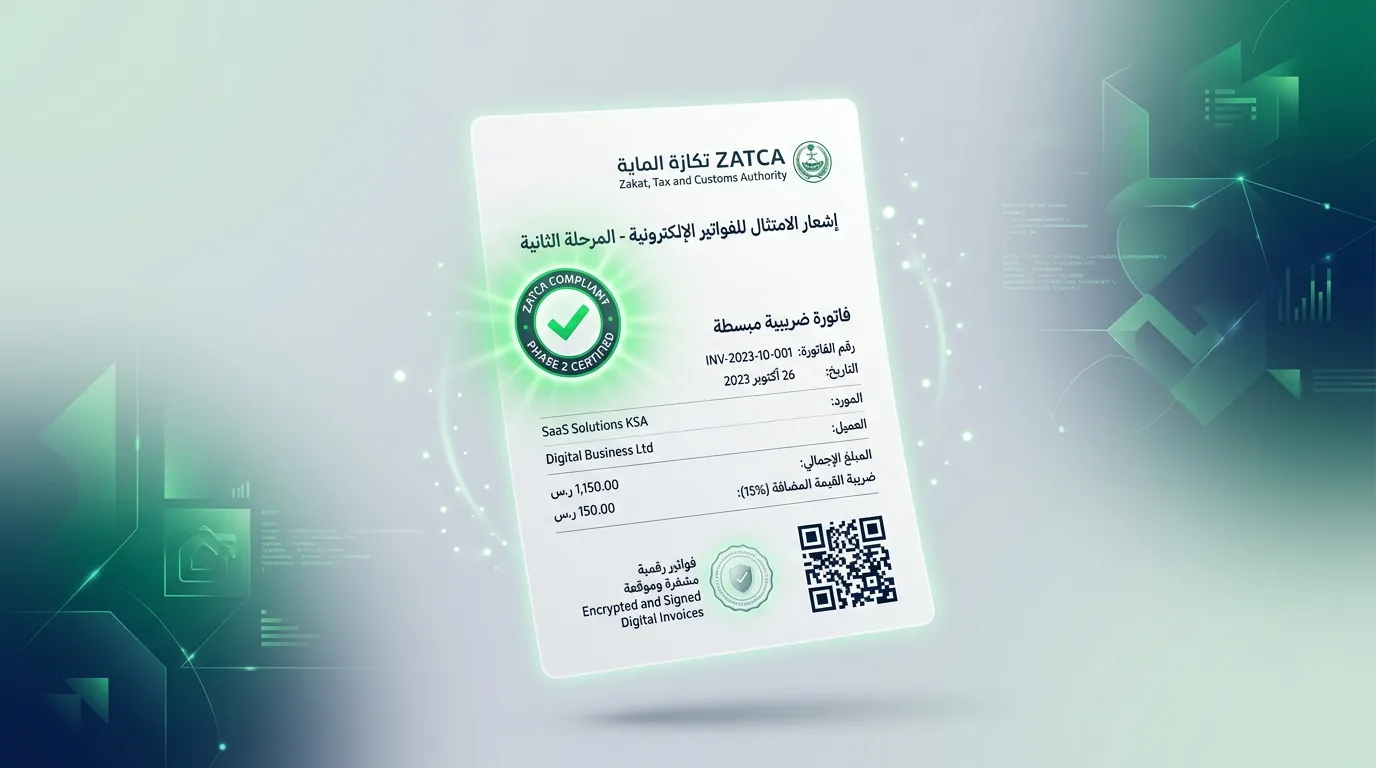
- Tax Non-Compliance Penalties: Restaurant receipts in Saudi Arabia must comply with ZATCA Phase 2 requirements, generating cryptographic stamps and 9-tag QR codes in sub-second speeds. Failing to comply risks fines up to SAR 50,000.
Upgrading to a dedicated, high-performance restaurant POS eliminates these operational leaks immediately.
2. The 6 Pillars of High-Performance Restaurant Operations
A modern restaurant management platform must seamlessly orchestrate six interdependent operational pillars:
Pillar 1: Kitchen Display Systems (KDS) vs. Paper Printers
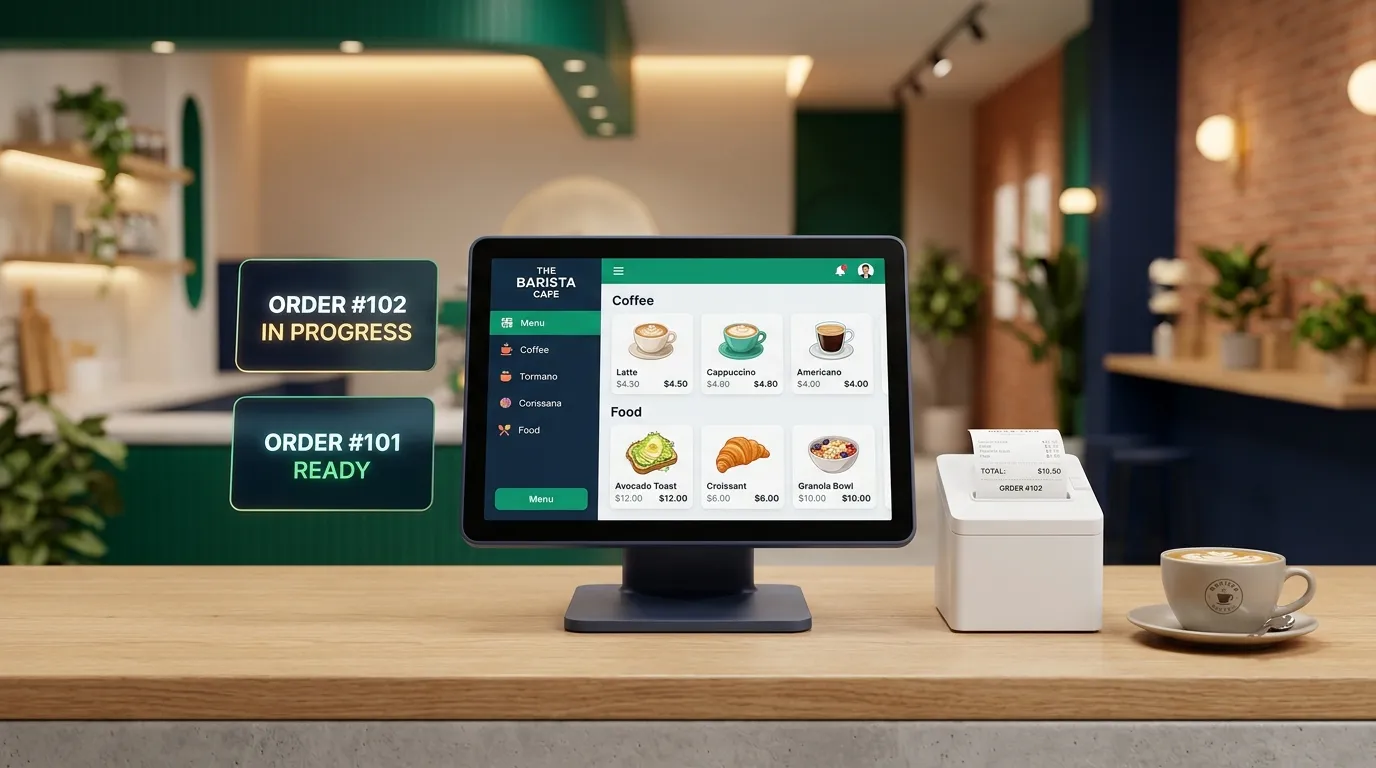
The heartbeat of any restaurant is the kitchen. Replacing noisy thermal paper ticket printers with interactive digital KDS screens transforms food prep:
- Station-Specific Routing: Drink orders route instantly to the barista display, salads go to the cold pantry screen, and steaks route to the grill station.
- Color-Coded Urgency Timers: Orders turn green, amber, and flashing red as ticket times exceed target thresholds (e.g., 8 minutes for appetizers, 15 minutes for mains).
- Allergy & Modifier Highlighting: Custom requests (e.g., gluten-free, extra shot, no mayo) appear in bold high-contrast text, preventing life-threatening allergic incidents.
- Real-Time Cook Analytics: Management gains visibility into average preparation speed per chef, station bottlenecks, and peak rush fulfillment velocity.
Pillar 2: Interactive Table Management & Dynamic Floor Plans
Maximizing restaurant revenue depends on table turnover. A visual table layout module empowers hosts and servers to:
- Monitor live table statuses (Available, Seated, Order Taken, Food Delivered, Check Requested).
- Execute seamless table merges for large banquets or instant table transfers when guests request indoor seating.
- Perform instant split billing: split by seat number, split equally across diners, or split specific shared appetizers with zero cashier confusion.
Pillar 3: QR Code Mobile Self-Ordering & Contactless Payments
In busy cafes and casual dining concepts, self-ordering reduces labor costs while delighting tech-savvy patrons:
- Diners scan a dynamic QR code on their tabletop using their smartphone camera.
- They browse rich, appetizing digital menus featuring high-definition food photos, allergen guides, and customizable modifiers (e.g., oat milk, extra espresso shot, spice levels).
- Orders inject straight into the POS and kitchen display without waiting for an attendant.
- Customers settle bills immediately via Apple Pay, Mada, or credit cards, accelerating table turns by 25% to 35%.
Pillar 4: Unified Food Delivery Aggregator Integration
Instead of cluttering your front counter with multiple third-party delivery tablets (Jahez, HungerStation, TheChefz, Toyou, Talabat, Deliveroo), a modern POS acts as a central aggregator gateway:
- Direct Order Injection: Delivery orders appear directly on POS terminals and kitchen screens with designated rider dispatch countdowns.
- Universal Menu & Pricing Management: Push updated menu items, seasonal combos, and pricing changes across all delivery apps simultaneously with one click.
- Automated "86" Stock Depletion: When kitchen supplies run out of a signature dish, the POS automatically marks it out-of-stock across all delivery apps, preventing customer cancellations and bad ratings.
Pillar 5: Recipe-Level Inventory Management & COGS Tracking
In the hospitality industry, profits are made or lost in the storeroom. True F&B inventory control operates on the sub-recipe level:
- BOM (Bill of Materials): Every menu item contains an exact recipe formulation. Selling one Double Cheeseburger automatically deducts two 100g beef patties, two cheddar cheese slices, 30g sauce, and one brioche bun from the central kitchen stock.
- Batch Preparation & Production: Pre-batching signature sauces, pizza dough, or marinated chicken automatically creates intermediate stock with dedicated batch expiry dates.
- Theoretical vs. Actual Variance Tracking: Compare exact theoretical usage against physical inventory stock-takes to pinpoint unauthorized portions, employee theft, or kitchen spillage immediately.
Pillar 6: Cloud-Connected Multi-Branch & Franchise Administration
Growing from a single flagship cafe in Riyadh to 10 branches across Jeddah, Khobar, and Dubai requires centralized administrative oversight:
- Standardize recipes, master menu catalogs, and tax configurations across all locations.
- Inter-branch stock transfers and automated central kitchen purchase requisitions.
- Live consolidated revenue dashboards accessible from the business owner's mobile phone anywhere in the world.
3. Traditional Restaurant Billing vs. WaslaSoft Hybrid POS
| Feature / Operational Capability | Generic Retail / Legacy Billing | WaslaSoft Hybrid Restaurant POS |
|---|---|---|
| Kitchen Communication | Paper slips prone to loss and grease | Interactive Digital KDS with station routing |
| Delivery Aggregators | Juggling 4-6 separate delivery tablets | 100% unified auto-injection into POS & KDS |
| Table Management | Manual ticket numbers on scrap paper | Interactive graphical floor plan with split billing |
| Menu Engineering | Static price lists with no modifiers | Dynamic modifiers, combos, and upsell prompts |
| Inventory Control | Basic unit counts (e.g. counting whole burgers) | Sub-recipe ingredient tracking (grams, ml, slices) |
| Offline Resilience | Halts orders if internet connection drops | Full offline billing, order printing, and auto-sync |
| ZATCA Phase 2 E-Invoicing | Often requires expensive middleware brokers | Native direct API integration with zero fees |
| Bilingual Operations | Clunky English-only or poorly translated UI | Native Arabic & English interfaces for FOH & BOH |
4. Regional Compliance: ZATCA Phase 2 for Restaurants & Cafes
Under Saudi tax regulations, restaurant and cafe transactions represent Simplified Tax Invoices (B2C):
- Instant Receipt Generation: In quick-service restaurants and busy drive-thrus, customers cannot wait 10 seconds for cloud validation. The POS must generate the invoice, compute the SHA-256 hash, and print the compliant 9-tag QR code in under 1 second.
- The 24-Hour Reporting Window: Simplified invoices must be reported to ZATCA's Fatoora platform within 24 hours of issuance.
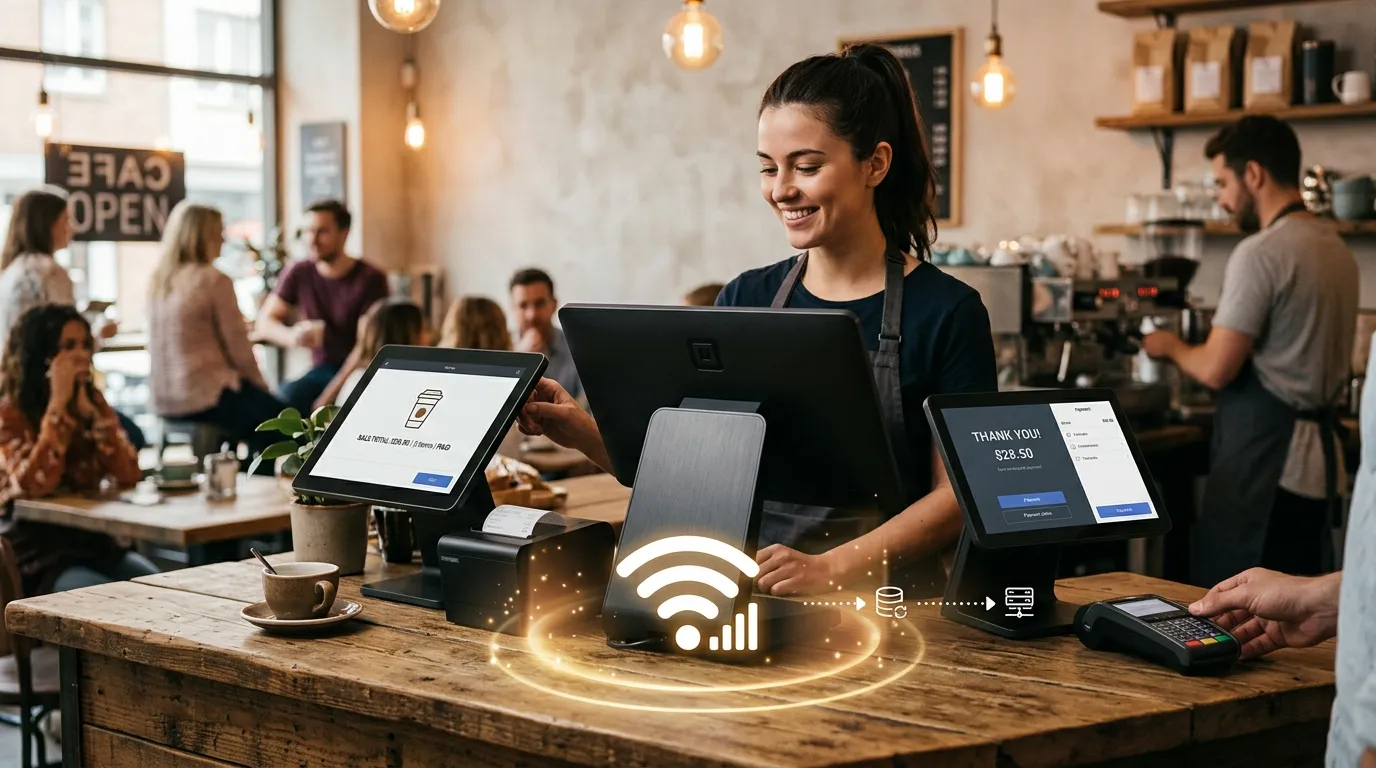
- Offline Contingency Guarantee: If your fiber or mobile internet goes down on a busy Thursday evening, your POS must continue issuing compliant receipts offline. WaslaSoft queues all signed transactions locally and transmits them automatically once connectivity resumes, ensuring zero regulatory violations.
5. Step-by-Step Implementation Roadmap for Restaurant Brands
Transitioning to a modern restaurant POS is a streamlined process when guided by an experienced hospitality partner:
Step 1: Menu Engineering & Recipe Mapping
Audit your menu offerings. Group items into clear categories, define optional and mandatory modifiers (e.g., choice of side, meat temperature, milk type), and link each dish to raw ingredient formulations in the inventory module.
Step 2: Hardware Architecture Selection
Equip your venue with hardware tailored to your concept:
- Front Counter / Cashier: Heavy-duty touch terminal, integrated barcode scanner, cash drawer, and thermal receipt printer.
- Kitchen / Bar Prep: Spill-resistant, high-temperature touchscreen KDS terminals with optional bump bars for line cooks wearing gloves.
- Floor Servers: Lightweight handheld Android POS tablets for on-the-spot table ordering and mobile card payments.
Step 3: Granular Role Permissions
Configure role-based access security to protect your revenue:
- Cashiers can open orders, apply valid loyalty discounts, and tender payments.
- Only Shift Managers can approve item voids, open cash drawers without sales, or authorize refunds.
- Head Chefs can view kitchen analytics and bump completed tickets.
Step 4: Live Simulation & Staff Training
Conduct simulated rush-hour scenarios before opening your doors to the public. Train servers on split-billing workflows and line cooks on KDS ticket bumping. Because WaslaSoft features an intuitive, localized interface, staff typically master the system within 30 minutes.
6. The Financial ROI: How WaslaSoft Pays for Itself in 60 Days
Investing in WaslaSoft Hybrid POS delivers clear, measurable return on investment:
- Reduce Food Waste by 12% to 18%: Real-time recipe depletion and low-stock alerts prevent ingredient spoilage and eliminate unrecorded kitchen portions.
- Increase Table Turnover by 25%: Rapid touchscreen order entry, direct kitchen routing, and instant split checks shorten average dining times by 10 to 15 minutes per party.
- Save 20+ Hours per Week in Aggregator Re-entry: Automatic delivery order injection eliminates manual tablet typing, freeing staff to focus entirely on customer hospitality.
- Boost Average Order Value (AOV) by 14%: Automated on-screen prompts remind cashiers to suggest combos, beverage upgrades, and dessert pairings during checkout.
Conclusion: Transform Your Hospitality Experience with WaslaSoft
Running a successful restaurant or cafe in Saudi Arabia and the GCC requires relentless dedication to food quality, customer service, and razor-sharp cost controls. Don't let fragile technology or outdated cash registers compromise your reputation.
With WaslaSoft Hybrid Restaurant POS, your front counter, kitchen brigade, inventory storeroom, and accounting ledgers operate in perfect harmony, empowering you to delight diners, boost profitability, and expand your brand with confidence.
Ready to Scale Your Restaurant Operations?
Experience the power of WaslaSoft firsthand. Book your personalized free restaurant demo today and see why leading F&B brands across Riyadh, Jeddah, and Dubai trust WaslaSoft.