Why GCC SMEs are Upgrading from Excel to Modern ERP Systems
Small and Medium Enterprises (SMEs) represent over 90% of all registered businesses in Saudi Arabia, the United Arab Emirates, Qatar, Oman, Bahrain, and Kuwait. As regional economic visions (such as Saudi Vision 2030 and UAE Centennial 2071) drive rapid digitization, legacy spreadsheets and entry-level accounting tools are no longer sufficient.
Selecting the right Enterprise Resource Planning (ERP) platform can be daunting. To help business owners make informed choices, here are the 7 mandatory features to look for in a GCC-tailored ERP software.
Top 7 Essential ERP Features for GCC SMEs
1. Built-in Regional Tax & Regulatory Compliance
Your ERP must support ZATCA Phase 2 (Saudi Arabia) and FTA VAT (UAE & GCC) natively out-of-the-box, generating tax returns and XML e-invoices with zero manual intervention.
2. Native Arabic & English Dual Interface
A successful system must serve both Arabic-speaking management and multi-national staff seamlessly. Look for real-time bilingual switching and right-to-left (RTL) design support.
3. Unified Financial Accounting & Real-Time Cash Flow
Separate accounting tools lead to reconcilation errors. An all-in-one ERP unifies general ledger, accounts payable, accounts receivable, bank reconciliation, and cash flow forecasting in one central ledger.
4. Real-Time Multi-Warehouse Inventory Tracking
Track batch numbers, serial numbers, reorder levels, and stock movements across multiple warehouses or retail stores instantly.
5. Integrated HR & Payroll (GOSI / WPS Compliant)
Automate employee attendance, leave management, end-of-service (EOSB) calculations, and wage protection system (WPS) payroll file generation for Saudi Arabia and UAE.
6. Role-Based Access Control & Security
Protect sensitive financial figures. Limit employee access strictly to their specific job roles (e.g., cashiers see POS billing; warehouse staff see stock receipts; CFO sees P&L statements).
7. Cloud Mobility & Executive Dashboard
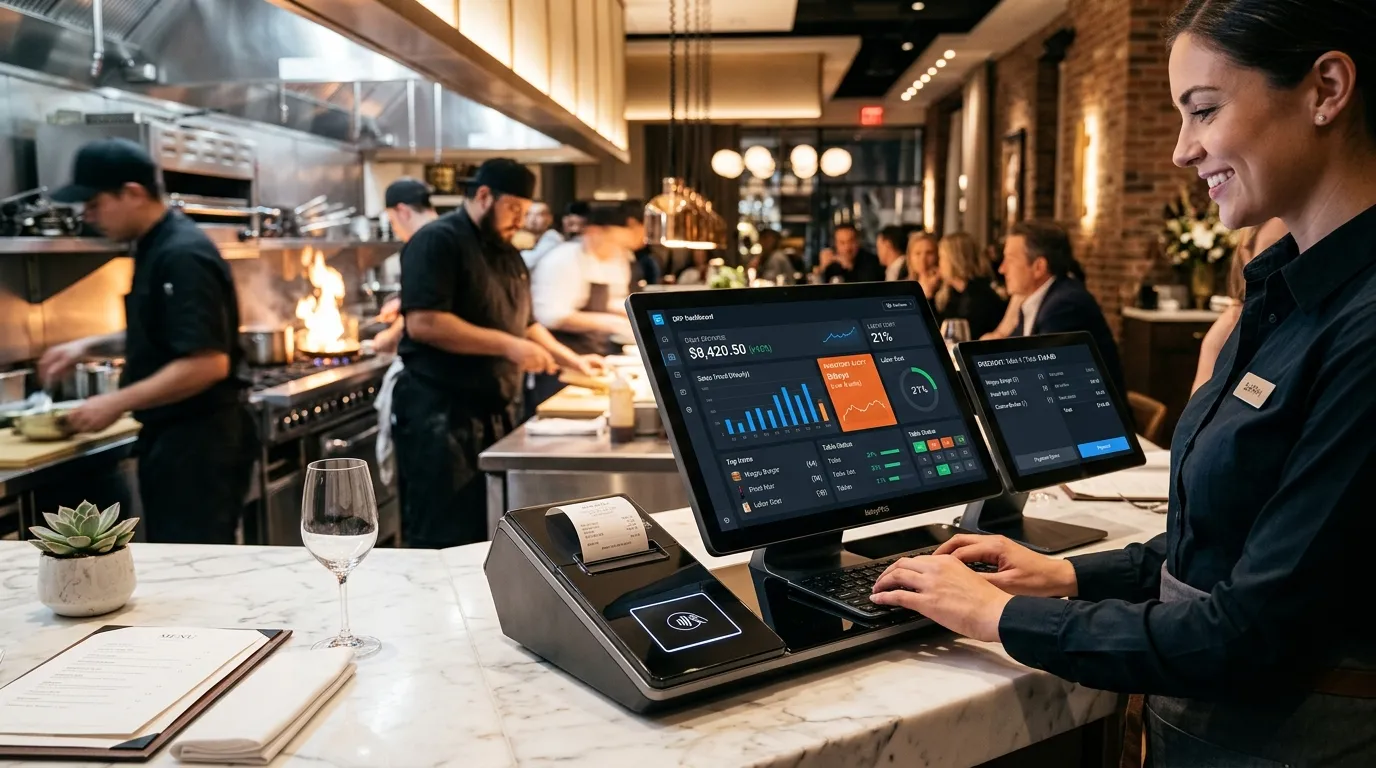
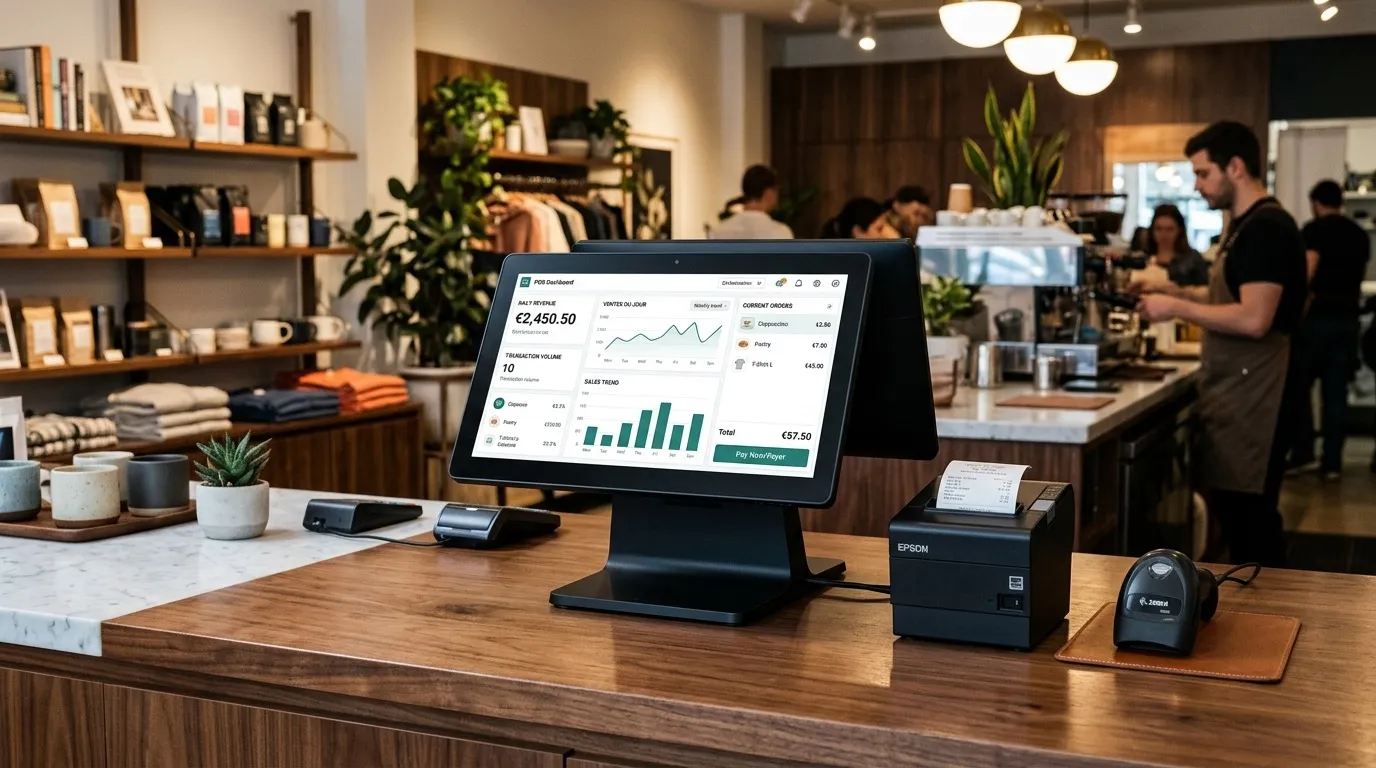
Monitor daily sales, inventory valuation, and outstanding customer invoices from your smartphone or tablet anywhere in the world.
Feature Comparison Matrix
| Feature | Generic Overseas ERP | Fragmented Apps | WaslaSoft All-in-One ERP |
|---|---|---|---|
| ZATCA / FTA Compliance | Requires expensive custom add-on | Manual | Native & Built-in |
| Bilingual AR/EN UI | Poor machine translation | Disjointed | Native RTL/LTR |
| GCC Payroll / WPS | Not supported | Third-party app | Built-in WPS & EOSB |
| Local Support Team | Overseas email only | None | Dedicated Regional Team |
Conclusion: Transform Your Business with WaslaSoft
Upgrading to an integrated ERP doesn't have to be complicated or expensive. WaslaSoft provides GCC SMEs with a modern, fast, and fully compliant business management engine.